|
|
    |
Location and period of operation:
|
Morgan, Wood & Co |
Burslem |
July 1857 |
1870 |
Earthenware
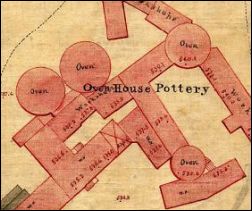
manufacturer at the Overhouse
Works and then the Hill
Works, Burslem,
Stoke-on-Trent, England.
|
Previously: Morgan, Williams & Co
Subsequently: Wood & Baggaley
The London Gazette
28th July 1865
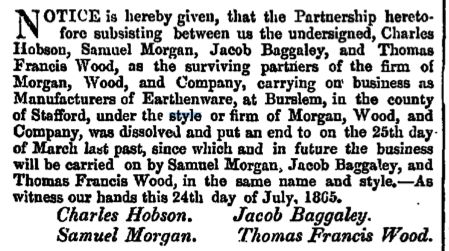
notice of the dissolution of
the partnership between Charles Hobson, Samuel Morgan,
Jacob Baggaley and Thomas Francis Wood (the surviving partners)
the business continued as Morgan, Wood & Company
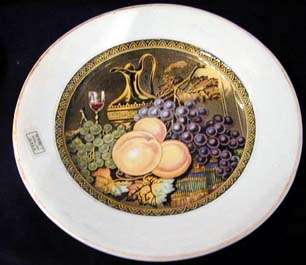
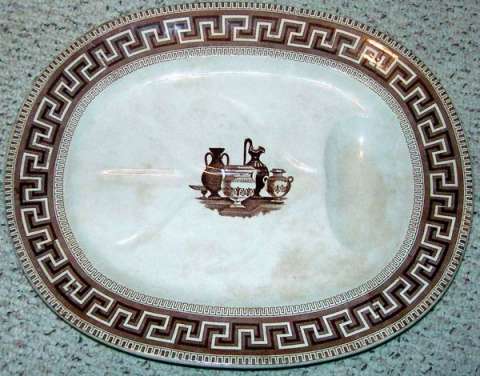 meat platter in the Cumae pattern
|
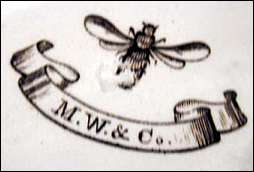
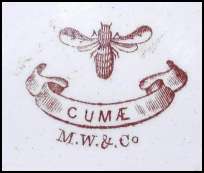 M. W. & Co |
 |
 M. W. & Co |
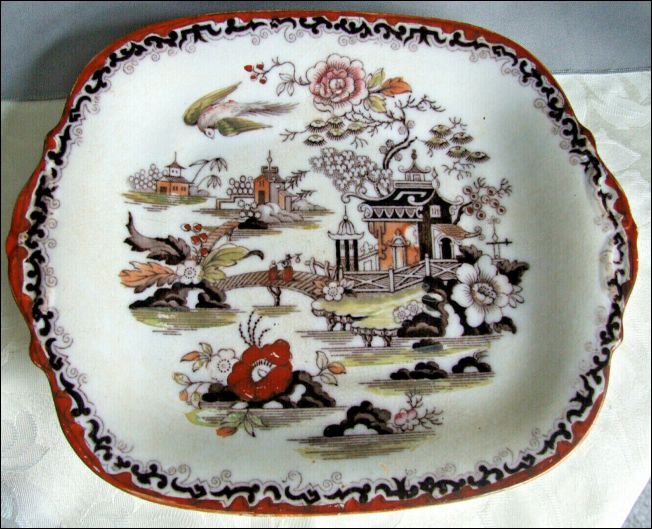 platter in the Burmah pattern |
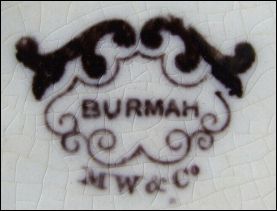 M. W. & Co |
Asiatic Pheasants
|
Asiatic Pheasants was a very popular pattern and thought to have been produced by around 60 North Staffordshire potters. A number of examples exist with the initials M. W. & Co and these are attributed to Morgan Wood & Co who operated from 1857 to 1870. At least one example is known with the initials M. W. - there is no other known manufacturer with these initials and so this is possibly Morgan and Wood. |
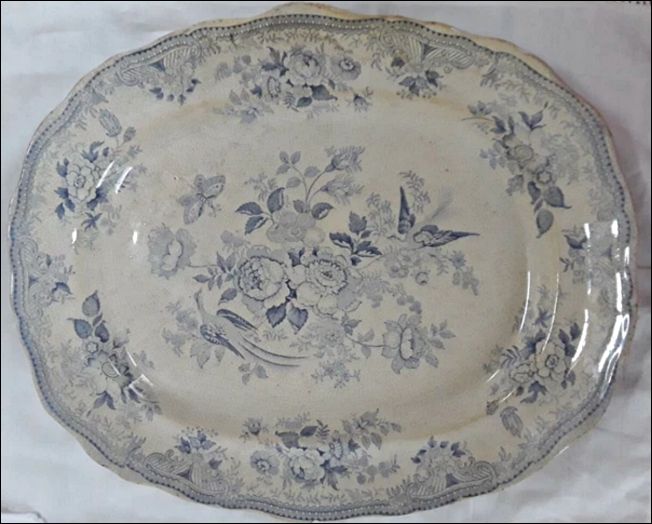 platter in the popular Asiatic Pheasants pattern |
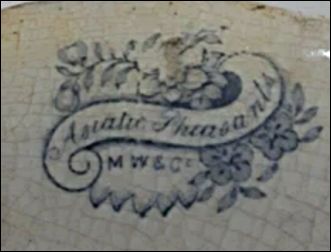 M. W. & Co attributed to Morgan Wood & Co |
photos source: online marketplace Etsy
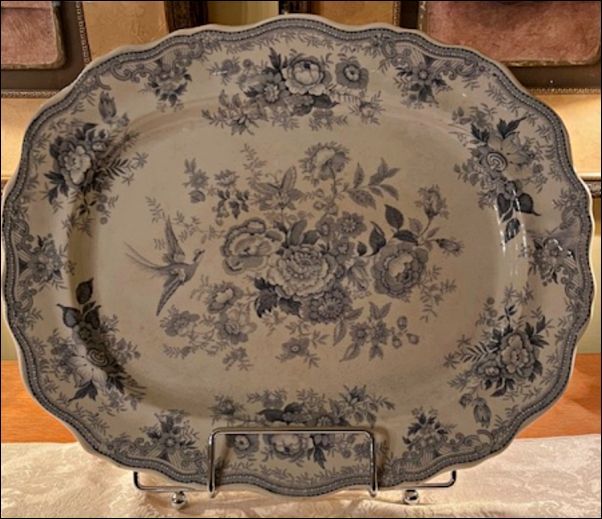 Asiatic Pheasants |
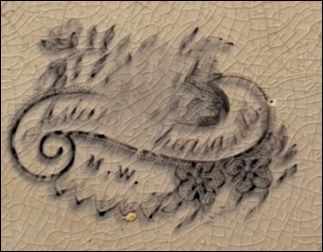 M. W. possibly Morgan & Wood |
photos courtesy: Debbie Taylor
Initials and marks used on ware for identification:
M. W. & Co
The bee was a
symbol of industry and various potters at the
Hill Works & Hill Pottery used a bee or bee hive mark
|
|
- click for more on the Hill Works -
|
Questions, comments, contributions?: Steve Birks
|
Page created 28 may 2013 Last updated 10 January 2026: Section on Asiatic Pheasants added. |