The National Garden Festival, Stoke-on-Trent (1986)
A landmark in the regeneration of the Potteries



Index  Etruria Valley 250 years of change Fact & Figures Sculptures Photographs Related pages


The Etruria Valley: Rural Origins, Industrial Growth and Garden Festival

The National Garden Festival, Stoke-on-Trent (1986)

Maps and photographs chart the evolution of the Etruria Valley from Wedgwood’s early works through industrial expansion to the Garden Festival and Festival Park.

  • Together, they show the evolution of the area from industrial expansion, through decline, to regeneration and modern reuse.

  • Despite the dramatic changes, certain features remain constant — most notably the Trent & Mersey Canal and Etruria Hall, once the home of Josiah Wedgwood.

  • These enduring landmarks provide a thread of continuity through an otherwise changing landscape.


click on the thumbnail maps to explore the development of the area in more detail 

 - look for the canal and Etruria Hall — visible in every map despite over 250 years of change -


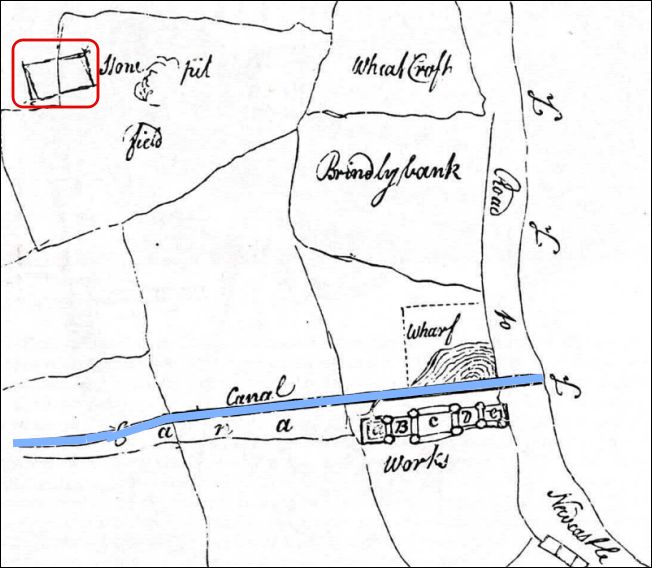
c.1766–1777 – The Ridge House Estate
The origins of industrial Etruria
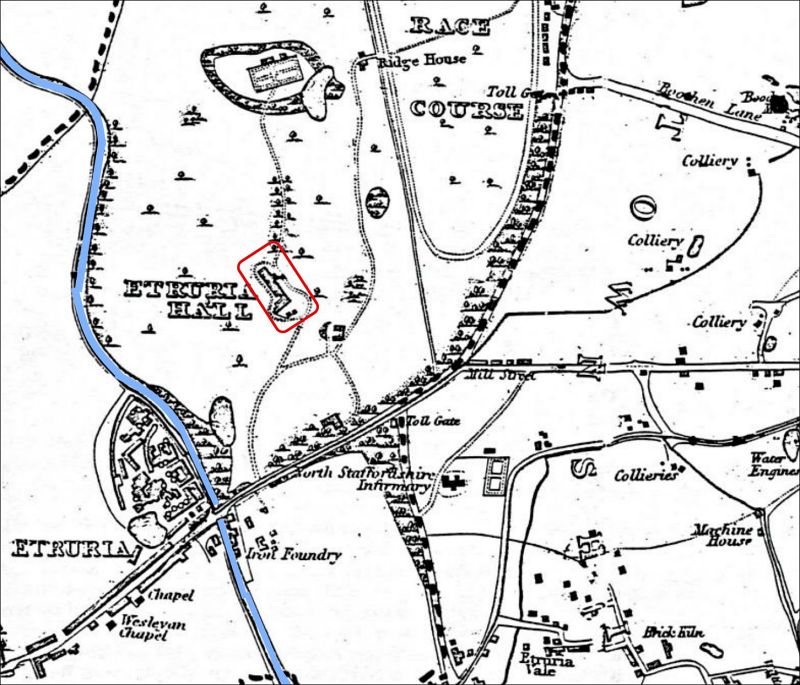
1832 – Etruria in a Rural Setting
Industry within the countryside
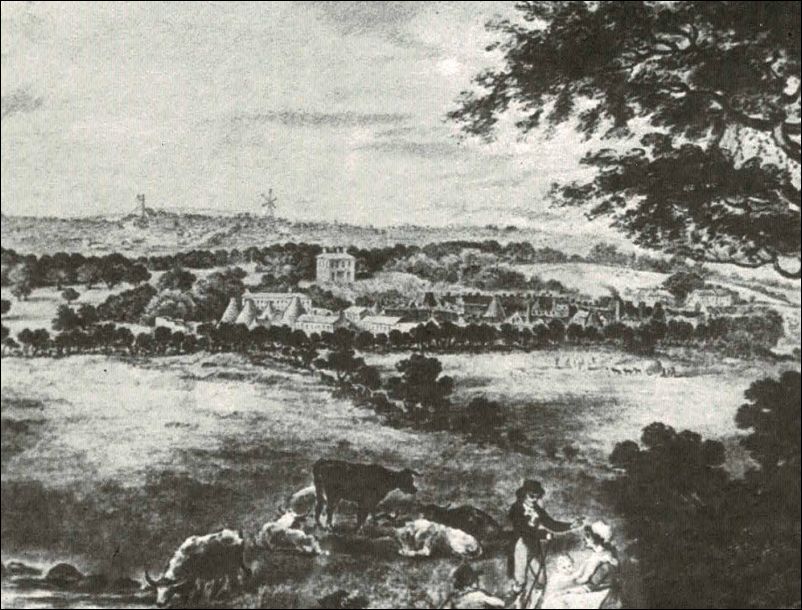
Before 1840 – A Rural Valley
Etruria before large-scale industry

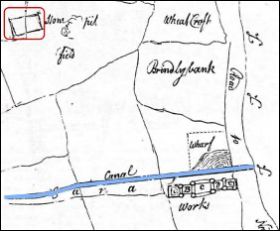
This map shows the estate acquired by Josiah Wedgwood, where his pottery works were established in 1769. The Trent & Mersey Canal already planned, was completed by 1777. 

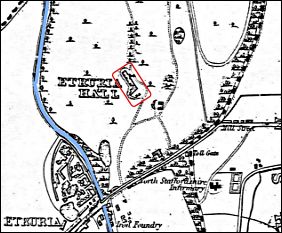
Hargreaves’ 1832 map shows the Etruria Pottery Works and Etruria Hall set within open countryside, before the arrival of large-scale iron production.

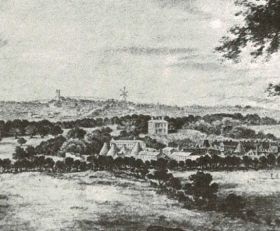
An early engraving depicts the valley as a pastoral landscape of fields and trees, with the Wedgwood works and Etruria Hall set within a largely unspoilt setting.


1879 – Early Industrial Development
A landscape beginning to change
1926 – Industry Expands
Factories, railways, and growth
1941 – Industrial Peak
The height of heavy industry
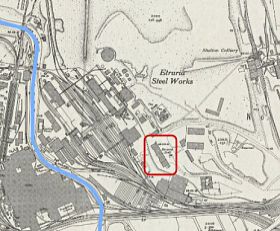
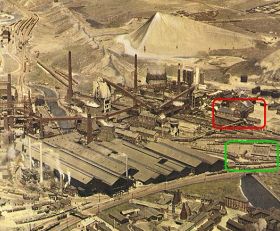
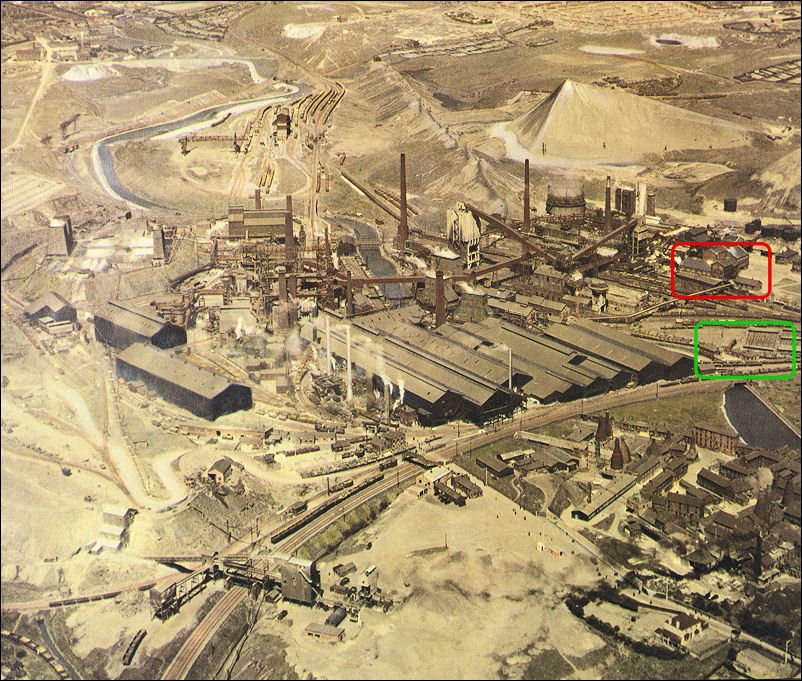
c.1950 – Industrial Impact
A landscape shaped by heavy industry
Shows the early growth of the Etruria ironworks, with industry starting to dominate the green land area alongside the Trent & Mersey Canal and the still-prominent Etruria Hall. Photographs from the Shelton area show an increasingly industrial landscape, with railway tracks, kilns, and chimneys dominating the valley as production expands. The site is almost entirely occupied by iron and steel works, with dense building coverage and extensive rail sidings reflecting the height of industrial activity. The Shelton Steel Works dominates the scene, surrounded by slag heaps and spoil. The Trent & Mersey Canal and the Potteries Loop Line run through the industrial terrain.


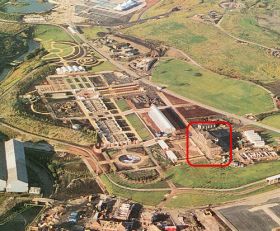
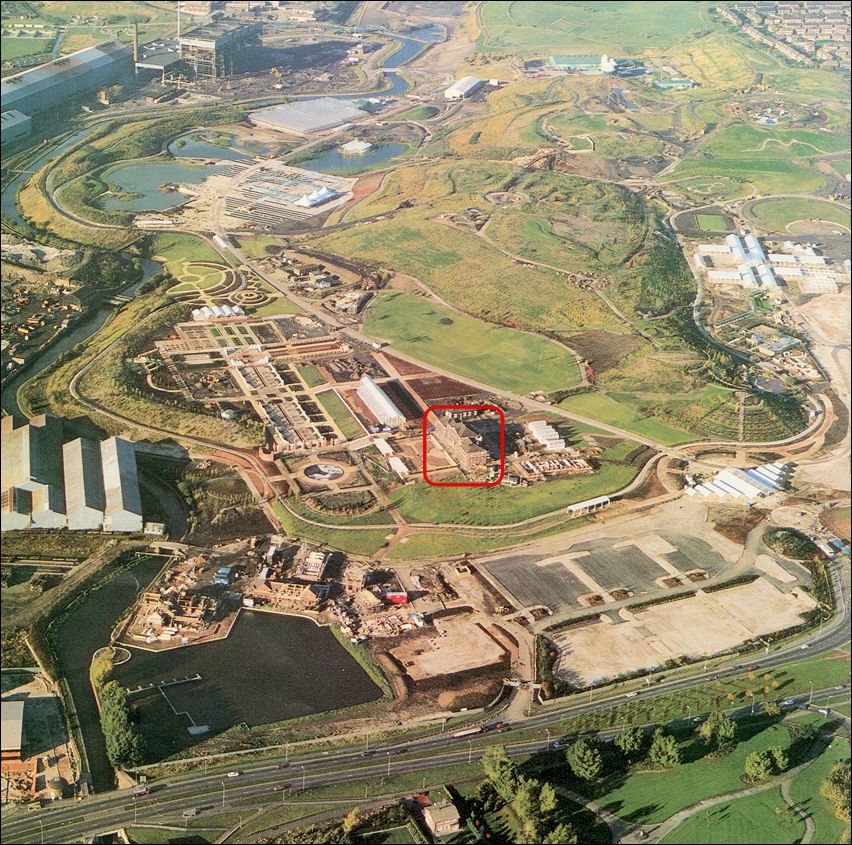
1985 – Preparing for the Festival
From dereliction to renewal
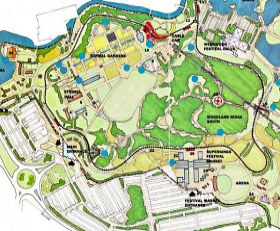
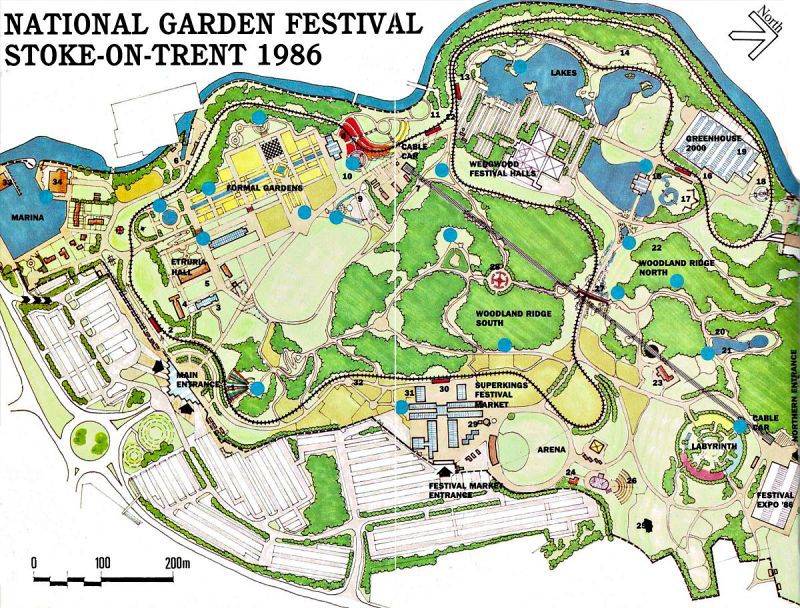
1986 – Garden Festival Site
A transformed landscape
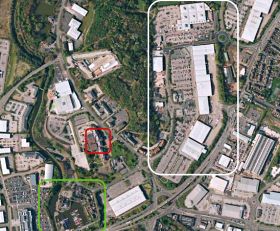
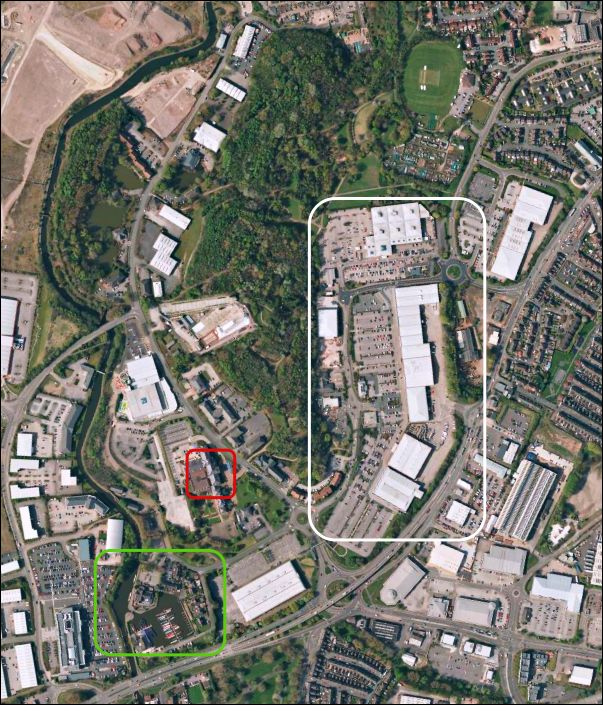
c.2020 – Festival Park Today
Legacy of regeneration

An aerial view taken just six months before the opening of the National Garden Festival shows the site in transition. The canal and new marina are visible, with the remaining parts of the former steelworks.

The Festival map reveals the dramatic change from industry to parkland, with gardens, lakes, and visitor attractions replacing the former steelworks.

A modern view of the site shows retail, leisure, and open space, still shaped by the layout created for the 1986 Festival, with the canal and historic features remaining.


c.1766–1777 – The Ridge House Estate


The origins of industrial Etruria

This map shows the estate acquired by Josiah Wedgwood, where his pioneering pottery works were established in 1769 — a key moment in the early industrial development of the area.

Key features include:

  • The layout of the Ridge House Estate prior to large-scale industry

  • The location of the early Wedgwood works and planned location of Etruria Hall

  • The planned route of the Trent & Mersey Canal which would be completed by 1777

At this stage, industry is emerging within a largely rural landscape, with the canal set to play a crucial role in future growth.


map showing part of the Ridge House Estate bought by Josiah Wedgwood 
from a Mrs Ashenhurst for £3000 in 1767

"The line of the new Trent and Mersey Canal has been drawn across the existing fields. Below this the new factory is shown arranged around a series of courtyards next to the turnpike road to Newcastle-under-Lyme. On the other side of canal in Stone pit field is the site of Etruria Hall"

Andrew Dobraszczyc, Social History Walks -Josiah Wedgwood & Etruria.  


1832 – Etruria in a Rural Setting


Industry within the countryside

An extract from Hargreaves’ 1832 map shows the Etruria Pottery Works and Etruria Hall set within open countryside — before the arrival of large-scale iron production.


Key features include:

  • The clearly defined pottery works at Etruria

  • The position of Etruria Hall within landscaped grounds

  • Surrounding farmland and open space

The area still retains a rural character, with industry present but not yet dominant.


extract from Hargreaves’ 1832 map shows the Etruria Pottery Works and Etruria Hall


Before 1840 – A Rural Valley


Etruria before large-scale industry

This engraving depicts the Etruria Valley as a pastoral landscape, showing how the area appeared before the rapid expansion of heavy industry in the mid-19th century.


Key features include:

  • Open fields and scattered woodland

  • The Wedgwood works set within the landscape

  • Etruria Hall nestled among trees

The scene reflects a balance between early industry and countryside that would soon be overtaken by industrial growth.


engraving depicting the Etruria Valley prior to 1840

from - 150 years of the Shelton Works


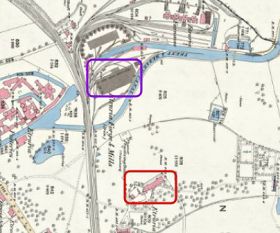
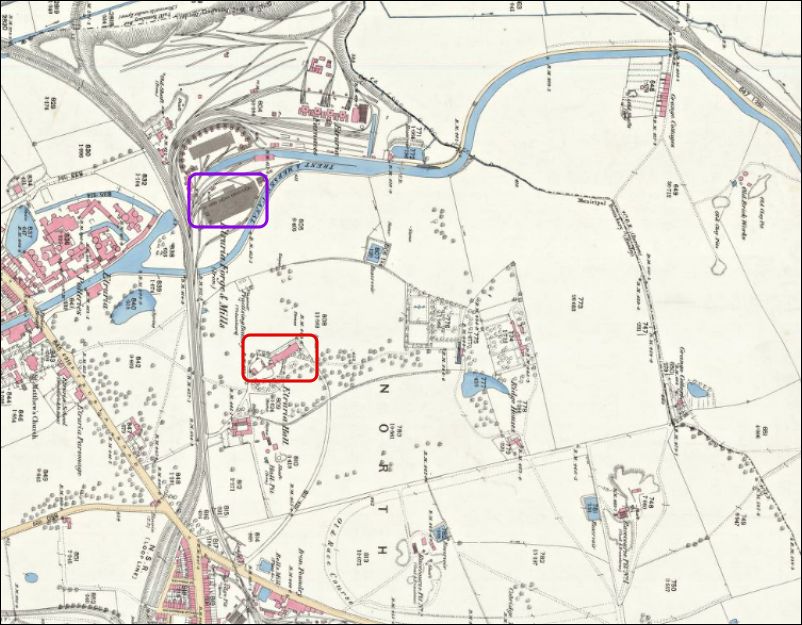
The 1879 map shows the early development of the Etruria Ironworks from the first blast furnaces built in 1841 - a time when Stoke-on-Trent was rapidly expanding as an industrial centre.


Key features include:

  • The growing ironworks complex

  • The importance of the canal for transporting raw materials and finished goods

  • Early railway connections serving the site

At this stage, the landscape is already heavily influenced by industry, but still retains elements of its earlier, more rural character.


1879 map of the area which was reclaimed for the 1986 Stoke-on-Trent National Garden Festival 

This Ordnance Survey map, published in 1879, has been orientated to fit in with the National Garden Festival map shown below. 

The Trent and Mersey Canal runs across the top of both maps. 

  • The purple rectangle is named on this map as "Etruria Forge & Mills" - although steel-making ceased in 1978 the relatively new rolling mill section survived and this is shown as a blank outline on the Festival map.   

  • To the left of Etruria Forge & Mills and on the other side of the canal is the "Etruria Potteries" of Josiah Wedgwood & Sons Ltd. At the time of the Garden Festival this pottery works was no more - in 1940 the Wedgwood company built a new works at Barlaston and from 1940-50 manufacturing was transfer from Etruria to Barlaston.  

  • The red rectangle is the location of Josiah Wedgwood's home built around 1770. Eventually becoming the headquarters and offices of Shelton Iron and Steel Company - fortuitously the building survived and was restored for the Festival. It is marked as 'Etruria Hall" on the Festival map.


Factories, railways, and growth

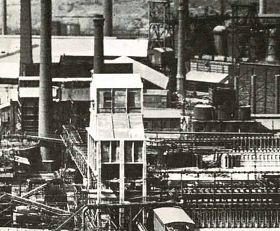
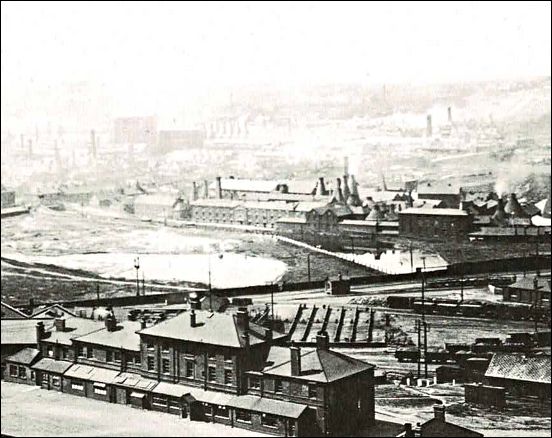
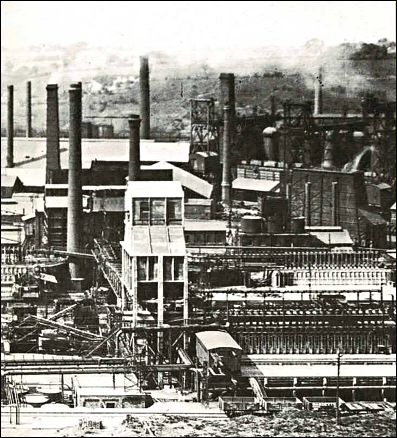
Photographs taken from the Shelton area show a landscape increasingly dominated by industry, as iron and steel production expands across the valley.


Key features include:

  • Extensive railway tracks serving the industrial site

  • The Wedgwood works visible in the background

  • Chimneys, ovens, and furnaces rising above the skyline

By this time, industry has become the defining feature of the area, with infrastructure spreading across the valley.


In the middle ground on the other side of the canal is the Wedgwood pottery works. In the foreground is Etruria Hall then used as the offices for the iron & steelworks. 

The coking plant and blast furnaces - the three furnaces were capable of making 6,000 tons of iron a week

  
views of the works in 1926

from - 150 years of the Shelton Works


1941: Peak Industrial Use


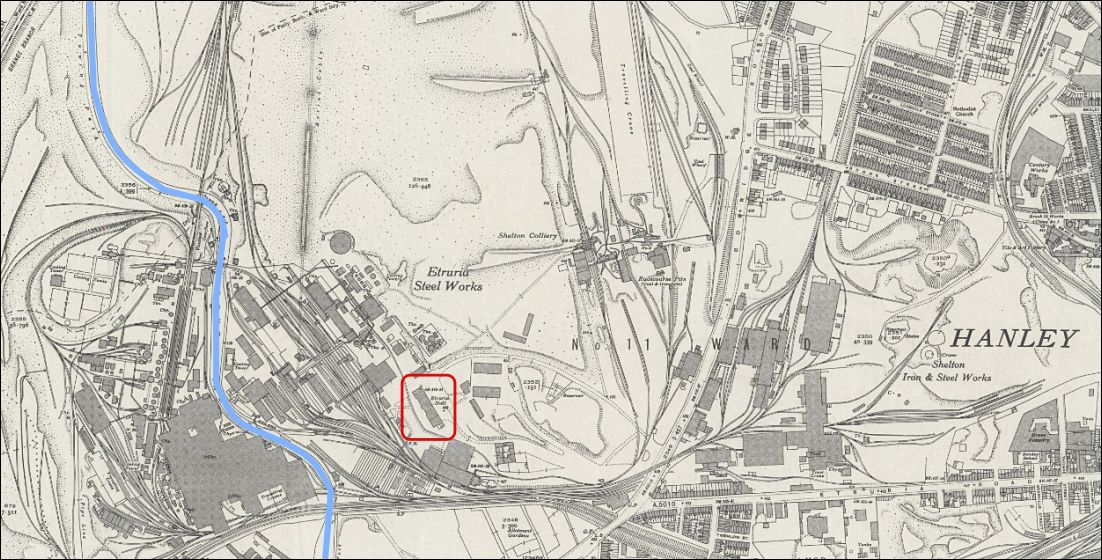
By 1941, the site had become a fully developed industrial landscape dominated by the expanded iron and steel works.

The map reveals:

  • A dense network of industrial buildings

  • Extensive railway sidings and internal transport systems

  • Almost complete coverage of the area by heavy industry

This represents the height of industrial activity at Etruria, with little remaining open space. The canal remains a key feature, running through the heart of the industrial complex.

Around this time the workforce amounted to more than 10,000. There were five coalmines on the site, steelworks and rolling mills, a coking plant, blast furnaces and a bi-product factory.


1941 map showing how the steel works had greatly expanded.

Red rectangle - Etruria Hall (former Wedgwood home) 


c.1950 – Industrial Impact


A landscape transformed by heavy industry

This view shows the Shelton Steel Works at or near its peak, with the surrounding landscape heavily scarred by decades of industrial activity.

Key features include:

  • Large areas of slag heaps and spoil

  • The extensive steelworks complex

  • The Trent & Mersey Canal running through the site

  • The Potteries Loop Line separating the steelworks from the Wedgwood works

The natural landscape has been almost entirely replaced by industrial features, leaving a stark and heavily modified environment.


Aerial photograph of the works c. 1950
red rectangle is Etruria Hall and green rectangle is the general location that the marina would be built  

from - 150 years of the Shelton Works


1985 – Preparing for the Festival


From dereliction to renewal

An aerial view taken six months before the opening of the National Garden Festival shows the site in transition, as preparations for redevelopment are well underway.

Key features include:

  • Cleared and regraded land across the former industrial site

  • The Trent & Mersey Canal and newly formed marina

  • Remaining industrial structures beyond the canal

The image captures the moment between past and future, as a derelict industrial landscape begins its transformation into the Festival site.


aerial view taken six months before the opening of the National Garden Festival 
red rectangle is Etruria Hall and at the bottom left of the photograph is the marina


1986: The Garden Festival Transformation


The Festival Guide map shows a complete reimagining of the site.


Where once there had been furnaces and spoil heaps, visitors now found:

  • Landscaped gardens and open parkland

  • Lakes and water features

  • Pathways and visitor routes

  • Attractions, pavilions, and public spaces

The industrial past had not been erased, but reshaped into a new environment focused on leisure, culture, and horticulture.


this map is from the Official Guidebook of the Festival 


c.2020: Festival Park Today


The site has evolved into a mixed-use area including:

  • Retail parks and commercial developments

  • Leisure facilities

  • Retained green spaces and water features

Although much has changed since 1986, the underlying layout introduced during the Festival is still evident, particularly in the road patterns, lakes, and open areas.


Bing maps c.2020 

Red rectangle - Etruria Hall (former Wedgwood home) now part of a hotel complex

Green rectangle - Marina, can be seen on the Festival map

White rectangle - the Festival Retail Park

The Trent & Mersey canal runs to the left

The South Woodland Ridge can be seen in the centre of the map  


Page History:

Last updated: 5 May 2026 - section completely updated.