|
For more than two centuries the words “Staffordshire”, “England” and “British Made” carried considerable value in the pottery trade. They represented not only a place of manufacture but also a reputation built on generations of ceramic skill and craftsmanship.
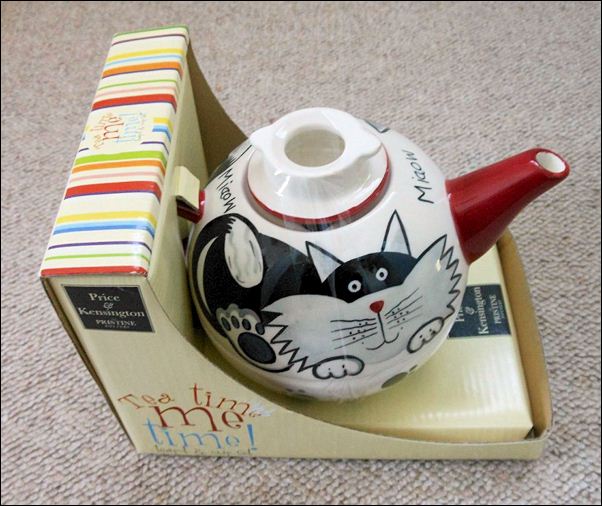
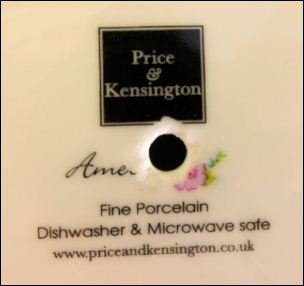
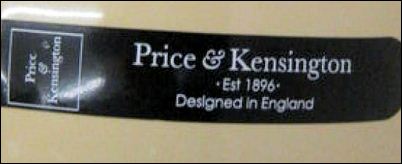
As global manufacturing increased, some pottery companies moved production overseas while retaining British-based branding, historic trade names, traditional imagery, or references to British design. In some cases the packaging, backstamp, or advertising gives prominence to a British address, company heritage, or phrases such as “Designed in Britain”, while the actual manufacture takes place elsewhere.
This practice is not necessarily illegal. A company may genuinely be British owned, may design products in Britain, or may legitimately use a long-established brand name.
However, problems arise when presentation leads buyers to assume that an item has been manufactured in Britain when it has actually been imported.
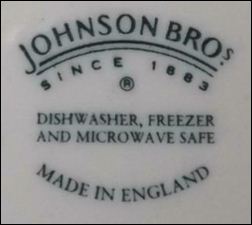
Johnson Bros
Since 1883
Made in England |
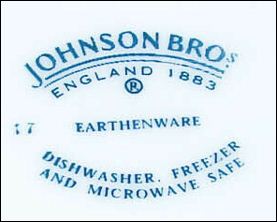
Johnson Bros
England 1883 |
this
mark used in the 1990s has the
wording 'Made in England' |
This
mark appears on ware that was produced in China NOT in England -
In 2003 manufacture of ware under the Johnson Brothers name was transferred to China. |
From the late 20th century many long-established Staffordshire pottery companies began transferring some production overseas.
Famous names associated with the Potteries, including
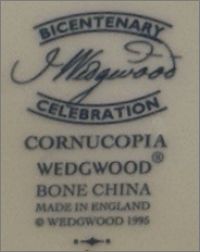
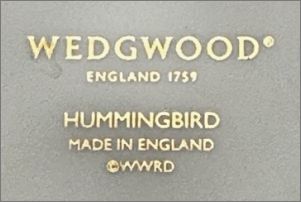
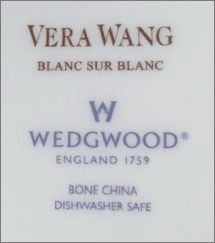
Spode, Wedgwood, Johnson Brothers and
Royal Doulton, had ranges that were produced outside Britain.
In many cases this was not simply a matter of increasing profits, but an attempt to remain competitive in a changing world market. Overseas manufacture allowed companies to reduce production costs, maintain affordable ranges of everyday ware, and continue trading at a time when traditional British pottery manufacturing faced increasing economic pressures.
The quality of overseas-produced ware can often be very good, with many factories using modern equipment and producing ceramics to demanding specifications. The issue for collectors is therefore not that an item was made overseas, but whether the branding, marks, or presentation make the actual place of manufacture clear.
Modern examples may include:
-
the use of historic Staffordshire pottery names on imported ware
-
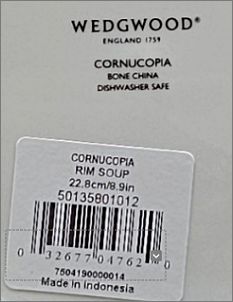
British addresses shown prominently while the country of manufacture appears only in small print
-
traditional English imagery used on packaging for overseas-made products
-
phrases such as “British design” or “Designed in Britain” being mistaken for “Made in Britain”
Collectors should look carefully for the actual country of manufacture rather than relying solely on brand names, addresses, or decorative themes. Genuine origin markings such as “Made in England” refer to manufacture, whereas wording about design, heritage, or company location may refer only to where the product was conceived, marketed, or distributed.
This type of branding illustrates a modern challenge for collectors: the distinction between a British pottery company, a British pottery brand, and pottery actually manufactured in Britain.
|