Stoke-on-Trent History, Heritage and Local History Index

[ Web Site Index ]


Stoke-on-Trent History Resources

Explore the history, heritage, and people of Stoke-on-Trent and the Staffordshire Potteries.


The history of Stoke-on-Trent is the story of its Six Towns, its world-famous pottery industry, and the people, streets, buildings, and communities that grew around them. 

This index page brings together articles, maps, photographs, and research resources exploring the social, industrial, and architectural history of the Potteries and its people.


Scroll down or select from the following sections..  

Place and Development  Industry and Transport

The Six Towns »

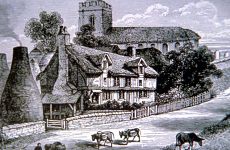
The Bottle Oven »
The Making of the Potteries » Other Industries »
Buildings and Landmarks » Transport and Communications »
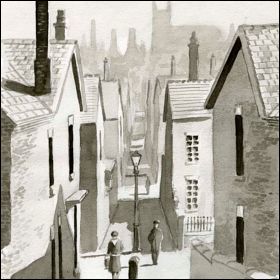
Every Street has a Story »
People and Society Records and Reference
People of the Potteries » Historic Books and First-Hand Accounts »
Chartism and Social Reform » Gazetteers and Trade Journals »
Timelines »


Place and Development


Stoke-on-Trent is unique among English cities in having been formed from six historic towns: Tunstall, Burslem, Hanley, Stoke, Fenton and Longton. 

Each town developed its own character, industries and civic identity, yet together they became known worldwide as The Potteries.


Explore how Stoke-on-Trent grew from six separate towns into a unique city, through its streets, estates, maps, documents and remarkable landscape.

Historical Development  Historic Documents 
The growth from a rural landscape into separate townships and then the modern city of Stoke-on-Trent. Examples of old documents, records and papers that help tell the story of the Potteries.
Streets and Districts Street Renaming 
Lists of streets in each district, with photographs and historical notes on many of the principal roads. A record of the many street name changes introduced to reduce duplication and confusion across the six towns.
   
Estates and Land Ownership Historic Maps
The historical ownership of land and the development of many areas of the city. Maps of the Potteries and surrounding area, from the 18th century to the present day.
   
'Walking Tour' The Unique Landscape
An exploration of the city’s streets, places and stories. The geology and natural landscape that shaped the growth and industry of the Potteries.


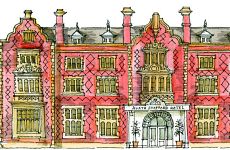
The Potteries has a rich architectural heritage, from churches and schools to public houses, cinemas and notable civic buildings. 

The following pages explore many of the structures that have shaped the character and history of the six towns.


People and Society


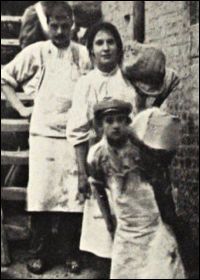
The history of the Potteries is not just about factories and kilns, but also the people who lived and worked here. 

From the potters and tradesmen to civic leaders and everyday residents, this section explores the lives, language, work, and experiences that shaped North Staffordshire over the centuries.


Discover how the people of the Potteries campaigned for social change in the 1800s. Explore the story of Chartism and the life of the local reformer Jeremiah Yates.


History is best understood in context. These timelines and key events show the development of the Potteries from Roman times to the present, alongside wider social and religious history, helping you see how local events fit into the broader story of Stoke-on-Trent and the UK.


Industry and Transport


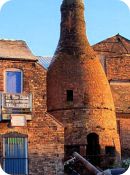
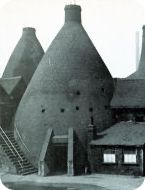
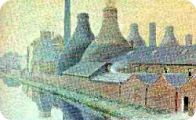
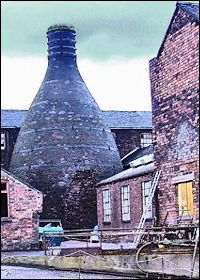
Nothing set the Potteries’ skyline apart more than the weird, bottle-shaped brick buildings.

There was as many as 2,000 still in use in the 1950s. 

The Clean Air Act sounded the death-knell for these smoky, coal-fired ovens. 

Today, around 46 still survive as a silent testament to a one dominating industry.  

Explore the Bottle Oven »


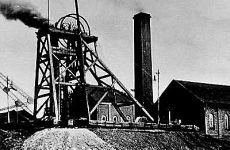
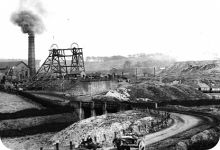
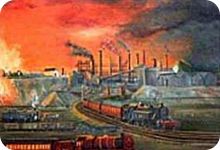
Although pottery gave the district its name and worldwide reputation, many other industries played an essential part in the growth and prosperity of the Potteries. 

Coal mining, brick and tile-making, iron and steel, and the wider industrial life of North Staffordshire all helped shape the landscape and economy of the district.


The history and prosperity of the Potteries have always been closely bound up with the means by which people and goods could travel. 

From the old turnpike roads and packhorse lanes, through the coming of the canals, to the arrival of the North Staffordshire Railway, each development played an important part in the growth of the district and its world-famous pottery industry.


Records and Reference


The history of the Staffordshire Potteries is preserved not only in its buildings, streets, and surviving pottery works, but also in the pages of the books written by those who recorded its story. 

Volumes such as The Staffordshire Potteries by Simeon Shaw, When I Was a Child by Charles Shaw, and The Staffordshire Potter by Harold Owen remain invaluable sources for understanding the growth of the district, its famous ceramic industry, and the everyday lives of its people. 
These works preserve memories, observations, and historical detail that might otherwise have been lost, helping present and future generations to appreciate the rich heritage of the Potteries.

You can read the full transcriptions of these historic books below and discover, in the authors’ own words, the story of the Staffordshire Potteries and its people.


Discover the Potteries through contemporary directories and trade journals. These historic records reveal streets, businesses, and social life, helping researchers and history enthusiasts trace people and places.

Extracts from a number of gazetteers, grouped together by each town: 
Tunstall  » Burslem » Hanley »
Stoke » Fenton » Longton »


Extract from 'The Potteries' section of Pigot & Co's 1828/9 Directory of Staffordshire. Pigot 1828/9 »
"A descriptive account of The Potteries (illustrated)" - 1893 advertising and trade journal The Potteries (illustrated) »
A 1955 Survey of Industrial North Staffordshire Prestige and Progress »